Exploring the Options: Detailed Insights into Personal Companions
The world of personal companions is diverse, offering a range of options to suit different preferences and requirements. Understanding the specifics of each type can help in making an informed decision.
Human Companions
.png)
Human companions are often the most relatable due to the inherent human touch they provide. They can range from professional caregivers who assist with health-related needs to companions who simply provide friendship and social interaction. This category requires the most personal interaction and can be tailored to emotional or physical needs.
Key Considerations:
- Personal Interaction: The level of personal interaction can be high, which is beneficial for those who value face-to-face contact.
- Training and Expertise: Depending on the required support, human companions may need specific training (e.g., medical training for caregivers).
Animal Companions
Animal companions, or pets, are perfect for those who love animals and can commit to their care. The most common pets include dogs and cats, though people also choose birds, fish, rabbits, and even reptiles. Each animal provides different interactions and benefits; for example, dogs require more active engagement and physical exercise, which can be beneficial for the owner’s physical health.
Key Considerations:
- Care Requirements: Pets require different levels of care, including regular feeding, grooming, and veterinary visits.
- Space and Environment: Some pets need more space or specific environments to thrive, which should match the owner’s living conditions.
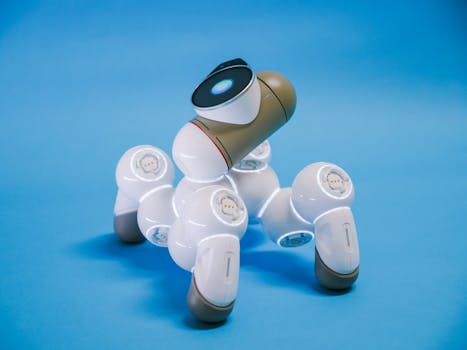
Robotic Companions
Robotic companions are increasingly popular, especially for their consistency and the high-tech features they offer. They can range from simple robots that perform specific tasks to more advanced AI-driven robots that can engage in basic conversations and learn from interactions.
Key Considerations:
- Technology Comfort: Users should be comfortable with technology and willing to manage updates or repairs.
- Functionality: It's important to choose a robot that fits the user’s needs, whether it’s for companionship, security, or assistance with daily tasks.
Virtual Companions
Virtual companions are digital entities that exist on various platforms, including smartphones, computers, and virtual reality systems. They can be programmed to remember user preferences, engage in conversation, and even help manage schedules.
Key Considerations:
- Digital Literacy: Users should have a basic understanding of digital devices and interfaces.
- Customization: Look for virtual companions that can be customized in terms of interaction level and available features.
Making the Choice: Steps to Select the Perfect Companion
- Assess Needs: Clearly identify what you need in a companion. Consider factors like emotional, physical, and social needs.
- Research Options: Look into each type of companion to understand what they offer and what is required in terms of time, money, and effort.
- Trial Periods: If possible, spend some time with the companion type before making a long-term commitment. This can be visiting a pet shelter, using a trial version of a virtual companion, or testing a robotic device.
- Seek Recommendations: Talk to professionals or individuals who already have the type of companion you are considering. They can provide valuable insights and recommendations.
- Plan Long-Term: Think about long-term implications, including care, costs, and personal or technological changes over time.
Conclusion
Choosing the right personal companion involves careful consideration of your specific needs, lifestyle, and preferences. By understanding the different types available and the unique benefits each one offers, you can make a decision that enhances your quality of life and fulfills your companionship needs. Whether you choose a living being or a technological aid, the right companion can bring significant joy and support into your life.